If you’re not yet tapping into segmentation and follow-up automations, you’re missing out on a powerful way to nurture leads and re-engage existing buyers without increasing ad spend. This dynamic, budget-friendly combo improves the shopping experience, raises retention, and boosts ROI. The guide below will walk you through how to combine Magento 2 customer segments with smart automation of Magento follow-up emails without burning out your team or your budget.
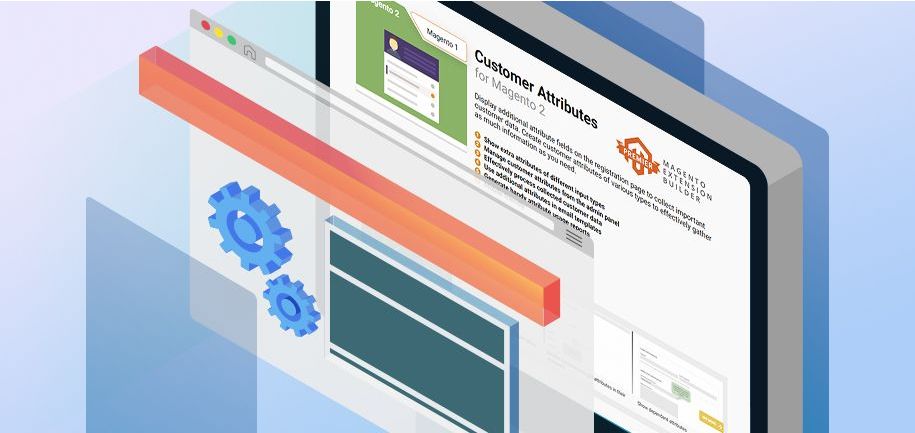
Creating customer attributes programmatically in Magento 2 helps developers gain more control over the information stored in the database and allows for flexible data management. It also streamlines data collection and makes for better customer segmenting and targeting. The guide below will walk you through the steps of adding customer attributes to Magento 2 programmatically and via Amasty's Customer Attributes extension.
Since we can define a product as a certain list of its features, we cannot deny that attributes are of great importance. And for e-commerce, it is really crucial to introduce a product from as many sides as is digitally possible. As a merchant, you always seek to provide the most detailed information on your goods on Magento 2 category, product, blog pages, and more, so the customers can easily browse and promptly find what they are looking for.
If you're a Magento store owner, you already know that staying up-to-date with the latest technology is key to ensuring your online business thrives. As Magento constantly grows and innovates, upgrading to the latest version can help you uncover new powerful features. This guide will walk you through how to update Magento. We’ll cover the benefits, preparation steps, and detailed instructions on how to upgrade Magento version to ensure a seamless experience.
Hello to Amasty blog readers!
Last time we talked about Magento 2 UI components. Actually, there is one more new capability of Magento 2, sections, on which we will focus today. They are meant to sync data between the client and web server to keep it always up-to-date. To illustrate how sections work and how to use them in Magento 2, let’s consider the example of a Magento 2 standard module...
Hello to Amasty blog readers!
Today we will focus on the latest Magento 2 functionality that opens numerous opportunities for creating user-friendly UI for Magento. That is UI components. This is a tutorial for Magento 2. Without further ado, let's start with the value of UI components for Magento 2 developers.
Hello to Amasty blog readers!
In this article, we would like to spotlight trust seals on the Magento 2 checkout page.
Do you really need them?
Which badges can build trust?
Which trust marks can motivate customers to complete a purchase?
Let’s figure it out together.
Nothing can motivate your customers more than a good service. If running a multi-language store you may mess mul...
Hey to Amasty blog readers! Today we are going to talk about what is JS Knockout, examples of using it in e-commerce, why Magento 2 requires JS config, and Magento 2 frontend solutions. Knockout (or KO) is a JavaScript library that is widely used to create the frontend part of Magento 2, the checkout page in particular.
Hey! Do you want to increase the checkout conversion rate in your Magento 2...
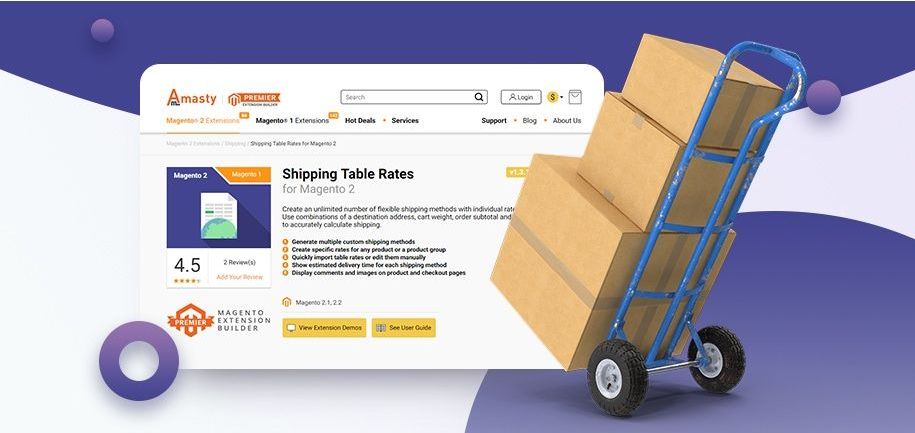
During the period of pandemic and quarantine, fast delivery from online stores has become even more important for e-commerce. Businesses met multiple difficulties like:
sharply increased demand for delivery of goods;
shortage of couriers;
the need to ensure the safety of employees and clients;
problems with the delivery of goods due to closed borders, etc.
The increased interest in shipping m...
Hello to Amasty blog readers!
We hope your preparation for Magento 2 certification goes well.
Good news, by the way, another of our team developers Mihail has prepared the answer to the 1.3 topic from the study guide. So, enjoy studying.
Magento 2 configuration files [brief overview]
Magento 2 configuration is divided into separate configuration files. Each of the files (...
Hey, Amasty blog readers!
We continue working on a list of answer posts dedicated to the Magento 2 certification and have already covered the first topic from the study guide.
This week we've asked our team developer Vitaly to describe Magento 2 module-based architecture and clue us in on the module limitations and interaction.
Magento 2 module-based architecture [brief overview]
As is known, m...
If you're using Magento 2, you're likely familiar with the term API. However, understanding what it truly encompasses, how it operates, and its significance for your e-commerce business is indispensable In this article, we'll provide an in-depth look at Magento APIs, explaining their functionality and types as well as share detailed guides on generating keys and tokens. We’ll also show you how to create an integration in Magento 2 with code examples from our Magento integration experts.
We use cookies to help improve our services, make personal offers, and enhance your experience. If you do not accept optional cookies below, your experience may be affected. If you want to know more, please read the Cookie Policy





![Magento 2 certification: module-based architecture [dependencies, limitations, interactions]](https://cdn-stg7.amasty.com/media/amasty/blog/cache/m/a/915/433/magento-2-certified-professional-developer-1-1_1.jpg)